
Analytical development is the process of creating and validating scientific methods to test a drug’s identity, purity, and potency. Stability testing evaluates how the quality of that drug changes over time under various environmental factors like temperature, humidity, and light. Together, they guarantee a medication remains safe and effective for patient use.
Pharmaceutical companies depend on analytical development throughout every stage of drug production. Before a treatment reaches clinical trials or commercial manufacturing, researchers must confirm the product meets strict quality standards.
At Quality Chemical Laboratories, analytical testing and pharmaceutical development services help support drug manufacturers across the United States from their laboratories in Wilmington.
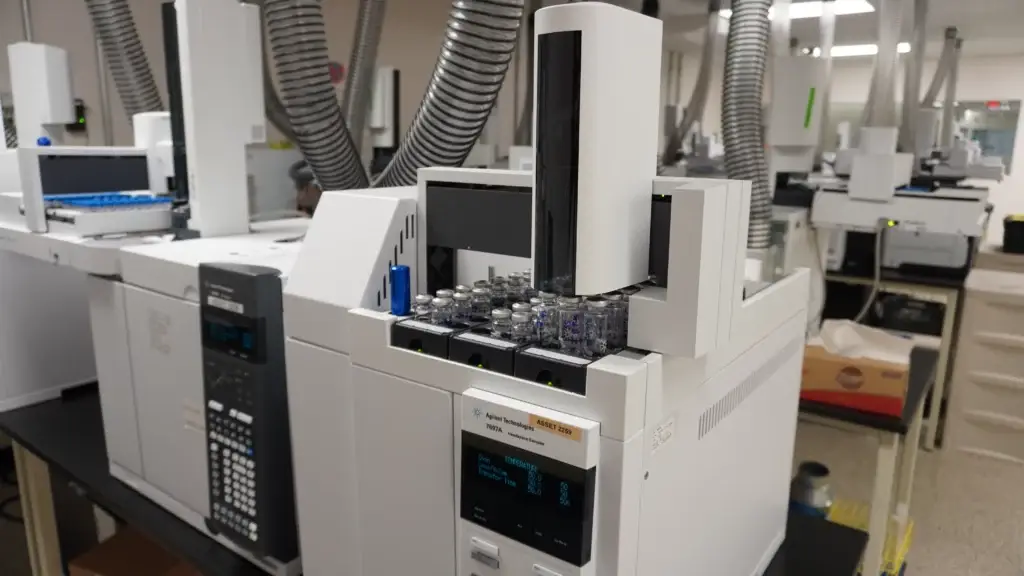
Core Activities Within Analytical Development
Analytical development includes several important processes that help pharmaceutical companies evaluate drug products during research, clinical trials, and manufacturing.
Method Design and Technology Selection
Scientists first determine which analytical methods work best for the product being tested. The right method depends on the drug formulation, dosage form, and testing requirements.
Common technologies may include:
- High-performance liquid chromatography
- Dissolution testing
- Spectroscopy
- Particle analysis
- Microbiological testing
Choosing the right technology early helps improve testing accuracy and reduces delays during development.
Material and Impurity Characterization
Drug manufacturers must identify all materials and impurities within a product. Even small impurities can affect product safety, stability, or effectiveness.
Analytical teams evaluate:
- Active pharmaceutical ingredients
- Raw materials
- Degradation products
- Residual solvents
- Contaminants
This process helps ensure products meet regulatory standards before entering clinical trials or commercial production.
Stability-Indicating Method Development
Stability testing measures how a drug changes over time under different storage conditions. Scientists expose products to heat, humidity, and light to evaluate long-term performance.
Stability-indicating methods help researchers detect:
- Chemical degradation
- Potency loss
- Moisture sensitivity
- Packaging issues
- Shelf-life concerns
This information helps manufacturers establish expiration dates and storage recommendations.
Performance Assessment and Refinement
Once testing methods are created, scientists evaluate their performance. The goal is to confirm the method produces reliable and repeatable results.
Teams may refine methods to improve:
- Accuracy
- Precision
- Sensitivity
- Efficiency
- Reproducibility
Strong analytical methods reduce variability and support consistent manufacturing quality.
Documentation and Method Transfer
Analytical development also requires detailed documentation. Every testing procedure must be written clearly so it can be repeated across laboratories or manufacturing sites.
Method transfer allows pharmaceutical companies to move validated testing methods between research facilities, manufacturing plants, and contract testing labs without losing consistency.
Analytical Method Validation
Method validation confirms that an analytical procedure works as intended. Validation is required before pharmaceutical companies can rely on testing results for regulatory submissions or product release.
Validation demonstrates that a method is suitable for its intended purpose and consistently produces dependable data.
Typical Validation Parameters
Analytical method validation usually includes several key performance measurements.
These commonly include:
- Accuracy
- Precision
- Specificity
- Linearity
- Detection limits
- Quantitation limits
- Robustness
Each parameter helps determine whether the method can consistently measure the drug product correctly.
For pharmaceutical companies, reliable validation supports both regulatory compliance and product quality.
Regulatory Considerations for Analytical Development
Pharmaceutical analytical testing operates under strict regulatory oversight. Companies must follow current Good Manufacturing Practices and maintain accurate scientific records throughout development.
Regulatory agencies expect pharmaceutical manufacturers and contract testing organizations to maintain:
- Controlled laboratory procedures
- Validated methods
- Proper employee training
- Secure data systems
- Complete documentation
Failure to meet these standards can delay approvals or trigger compliance concerns.
ICH Framework
The International Council for Harmonisation, commonly called ICH, provides global guidance for pharmaceutical development and analytical testing.
ICH guidelines help standardize expectations for:
- Method validation
- Stability testing
- Documentation
- Risk management
- Product quality
Following ICH guidance helps pharmaceutical companies prepare products for multiple global markets while maintaining consistent quality standards.
Quality and Data Integrity Expectations
Data integrity is one of the most important parts of pharmaceutical analytical testing.
Regulatory agencies expect testing data to be:
- Accurate
- Complete
- Consistent
- Traceable
- Secure
Laboratories must maintain systems that protect records from errors, manipulation, or loss. Electronic systems, audit trails, and controlled procedures all play a role in maintaining data quality.
Strong data integrity practices help pharmaceutical companies maintain trust with regulators, clients, and patients.
How Analytical Development Supports the Product Lifecycle
Analytical development supports nearly every stage of a pharmaceutical product lifecycle.
Early-stage research relies on analytical testing to evaluate drug candidates and formulations. During clinical trials, testing confirms product quality and consistency before patient use.
As products move toward commercial manufacturing, validated methods help maintain product quality across larger production volumes.
Even after product launch, ongoing analytical testing supports:
- Stability programs
- Batch release testing
- Investigations
- Process improvements
- Regulatory compliance
Without strong analytical development, pharmaceutical companies would struggle to maintain product consistency and patient safety.
Analytical Development at Quality Chemical Laboratories
Quality Chemical Laboratories provides pharmaceutical analytical testing, analytical development, and clinical trial manufacturing services from their laboratories in Wilmington.
Founded in 1998 by Dr. Yousry Sayed, the company has grown into a biopharmaceutical contract testing and manufacturing organization with facilities across Wilmington, NC.
Their teams support pharmaceutical companies with:
- Analytical method development
- Stability testing
- GMP laboratory testing
- Clinical trial manufacturing
As both a CRO and CDMO, the company works with biopharmaceutical clients throughout multiple stages of drug development and manufacturing. Request a quote or submit a sample to get started.