Microbiology Laboratory
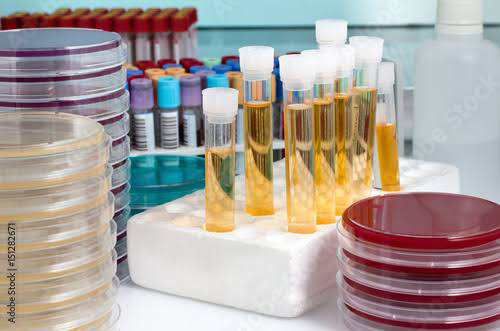
Microbiological testing capabilities include:
- Method Development and Validation
- Microbial Examination <61> <62>
- Antimicrobial effectiveness Test <51>
- Endotoxin <85>
- Gel Clot
- Kinetic
- Sterility Testing <71>
- Barrier Isolator
- Microscopic Examination of Unknown Substances
- Particulate Matter <788>
- HIAC Microscopic Particle Count
- Microbial Identification System
- Antibiotic Assays <81>
- Non-USP testing, e.g.
hold time studies
kill rate studies - Water Activity
- Water Testing and Water System Validations
- Environmental Monitoring
- Disinfectant Qualification
- Cleaning Validations
Our highly experienced and knowledgeable microbiologists can provide advice on compendial testing, regulatory issues, investigative studies, and scientific evaluation on safety and efficacy data.
Industries We Serve
Our microbiology laboratory serves a wide range of regulated industries including pharmaceutical manufacturers and contract development and manufacturing organizations (CDMOs), nutraceutical and dietary supplement companies, medical device manufacturers, cosmetic and personal care product companies, food and beverage producers, and water utilities requiring water system validation and environmental monitoring. Whether you are a large pharmaceutical company or an emerging biotech startup, our laboratory provides the same level of technical expertise and regulatory compliance. For raw material identity, purity, and compendial testing to support your pharmaceutical manufacturing, visit our raw material testing laboratory.’ Hyperlink to the Raw Material Testing page.
Accreditation and Regulatory Compliance
Sample Submission and Turnaround Times
To submit samples to our Wilmington, NC microbiology laboratory, contact us to request a quote and discuss your testing requirements. Our team will confirm the appropriate sample quantities, storage conditions, and chain of custody documentation required for your specific tests. Standard turnaround times vary by test type and are confirmed at the time of quote. Expedited turnaround is available for select tests. To get started, use the Request Quote or Submit a Sample links on this page or call us at 910-796-3441.
Frequently Asked Questions
Quality Chemical Laboratories offers a comprehensive range of pharmaceutical microbiology testing services including sterility testing (USP <71>), endotoxin testing by gel clot and kinetic methods (USP <85>), antimicrobial effectiveness testing (USP <51>), microbial examination of non-sterile products (USP <61> and <62>), microbial identification, antibiotic assays, particulate matter testing (USP <788>), water activity testing, water testing and water system validations, environmental monitoring, disinfectant qualification, cleaning validations, and non-USP hold time studies and kill rate studies. We also offer method development and validation services.
We serve pharmaceutical manufacturers, contract development and manufacturing organizations (CDMOs), nutraceutical and dietary supplement companies, medical device manufacturers, cosmetic and personal care companies, food and beverage producers, and water utilities. Our laboratory follows FDA and cGMP regulatory standards and can accommodate a wide range of industry-specific testing requirements.
Yes. Quality Chemical Laboratories is an FDA inspected facility and operates under current Good Manufacturing Practice (cGMP) regulations. Our microbiology laboratory follows USP, EP, and JP Pharmacopoeial methodologies. We can also develop and validate company-specific or product-specific methods to meet your regulatory requirements.
To submit samples, start by requesting a quote through our website or calling us at 910-796-3441. Our team will confirm the appropriate sample quantities, packaging requirements, storage conditions, and chain of custody documentation for your specific tests. Once your quote is approved, samples can be shipped to our laboratory or dropped off at our Wilmington, NC facility.
Standard turnaround times vary by test type and are confirmed at the time of your quote. Sterility testing and some compendial tests have minimum incubation periods defined by the test methodology. Expedited turnaround is available for select tests. Contact us at 910-796-3441 or request a quote online to discuss your timeline requirements.
Quality Chemical Laboratories is located in Wilmington, NC. Our visitors address is 3220-A Corporate Drive, Wilmington, NC 28405. Our corporate address is 3400 Enterprise Drive, Wilmington, NC 28405. We serve clients throughout North Carolina and nationwide. Call us at 910-796-3441 or email QualityChemLabs.com for more information.